
Can You Use a Jigsaw Blade in a Reciprocating Saw?
Using a jigsaw blade in a reciprocating saw is generally not recommended because the blades are designed with different shank types and attachment mechanisms.
You should begin by inspecting the blade mount on your reciprocating saw to ensure it matches the shank of the blade you plan to use. This step is crucial because incompatible fittings can lead to unsafe operation or damage to the tool.
If the blades do not fit securely, do not force them into the saw’s mount. An improper fit can cause the blade to slip or dislodge during use, increasing the risk of accidents or damage to the tool. Check the size and shape of the shank, which connects the blade to the reciprocating saw.
Using blades incompatible with your saw’s specific shank design can result in poor cutting performance or tool failure, both of which pose safety risks.
*Exceptions and alternatives:* It is best to use blades explicitly designed for your reciprocating saw model or consult the manufacturer for guidance on compatible blade types.
In some cases, with the proper adapters, you may be able to use other blades, but verifying compatibility is essential for safe and efficient operation.
Can You Fit a Jigsaw Blade Into a Reciprocating Saw?
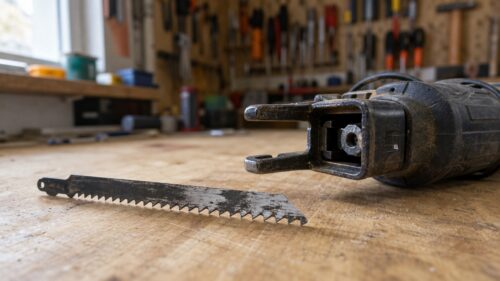
If you want to use a jigsaw blade in a reciprocating saw, check if the blades are compatible. Examine the jigsaw blade’s shank, the part that attaches to the tool. Most jigsaw blades have a T-shank or U-shank, which do not fit into reciprocating saws. Measure the shank’s width and length; common sizes are ⅜ inch or ¼ inch. If the shank does not match the reciprocating saw’s mounting system, do not force it. Use an adapter designed for shank compatibility, or else risk damaging the tool or causing injury. Always verify blade compatibility before attempting to change blades.
What Are the Main Differences Between Jigsaw and Reciprocating Saw Blades?
To understand the main differences between jigsaw and reciprocating saw blades, examine their design and purpose. Use jigsaw blades, which are thinner, delicate, and about 2 to 6 inches long, for precise, curved cuts. Reciprocating saw blades are thicker, sturdier, and up to 12 inches long for rough, straight cuts. Jigsaw blades often have T- or U-shanks for precise attachments, while reciprocating blades use larger, straight shanks for heavy-duty work. They are not interchangeable, as the design, teeth, and attachment mechanisms differ greatly. Always match the blade type to the tool to guarantee safety and effective cutting. Additionally, understanding their blade compatibility is vital to prevent damage and ensure optimal performance.
Why Can’t You Use Jigsaw Blades in a Reciprocating Saw?
Jigsaw blades cannot be used in a reciprocating saw because their design and mounting mechanisms are incompatible. The shanks of jigsaw blades are made for specific jigsaw slots, not the larger, different chucks of reciprocating saws. The table below shows key differences:
| Blade Type | Shank Style | Blade Width | Mounting System |
|---|---|---|---|
| Jigsaw blades | T-shank or U-shank | Thin and narrow | Jigsaw-specific, incompatible hooks |
| Reciprocating saw blades | U-shank or T-shank, universal | Thicker, wider | Heavy-duty mount, different fitting |
Additionally, blade sizing ensures proper fit and function, and using incompatible blades can lead to safety hazards or equipment damage. Use the correct blade type, failure can cause accidents or damage.
What Are Shank Types? T-Shank, U-Shank, and Universal Fittings
Shank types determine how a saw blade fits into a tool, so you must choose the correct one for safety and performance. T-shank blades, the most common, have a T-shaped end that locks securely into reciprocating saws with a T-slot chuck. U-shank blades feature a U-shaped cutout designed for older or specialized saws. Universal fittings fit many saws, compatible with various chucks due to their adaptable shape. Use the right shank type to avoid slipping, guarantee stability, and maximize cutting power. Confirm the saw’s chuck type before selecting reciprocating saw blades. Improper shank matching could lead to blade damage or injury. Understanding shank types can help you select the safest and most effective blade for your tool.
How Do Blade Geometry and Thickness Affect Compatibility?
When selecting a blade, examine its geometry and thickness to guarantee compatibility with your saw. Blade geometry, like shank shape and size, influences how well the blade fits the tool. Thicker blades may not fit into small or specific shank slots, causing improper attachment or damage. Additionally, understanding teeth per inch (TPI) can help determine the blade’s suitability for different materials and cutting tasks.
What Are the Risks of Using the Wrong Blade on Your Power Tool?
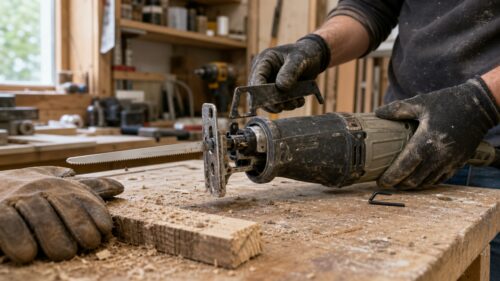
Using the wrong blade on a power tool can lead to serious safety and performance problems. Always match reciprocating saw blades to your tool’s size and material needs. A wrong blade, or wrong blade type, may not fit securely, risking slips, breaks, or injury during operation. It can also cause excessive vibration, weakening the tool or blade. Using incompatible blades increases heat and wear, notably shortening their lifespan. Poorly matched blades lead to unsafe cutting, such as kickback or blade binding, and produce low-quality results. Always choose the right blade designed for your material and tool to prevent accidents and assure optimum performance. Additionally, selecting blades that are compatible with your tool’s specifications ensures better performance and safety.
Are There Universal Blades or Adapters for Reciprocating Saws?
Identify the type of shank on your saw and blades before starting. Use shank adapters if needed to fit blades with different shank types, so blades can work with your reciprocating saw. Most blades use T-shank or U-shank, but universal blades feature versatile shank designs suitable for various saws. Check compatibility with your saw and the adapter first. Note that universal blades and shank adapters may reduce stability or performance. Always verify rated use and material suitability to guarantee safety and efficiency.
| Shank Type | Description | Compatibility |
|---|---|---|
| T-shank | Common, quick-change | Standard for most blades |
| U-shank | Older, wider | Less common, needs adapter |
| Universal | Adjustable, versatile | Compatible with multiple saws |
How Do Blade Mounting and Locking Mechanisms Differ?
Verify the blade is properly mounted before operating the saw. Check the shank design, the shape that fits into the tool’s lock. For jigsaws, the T-shank or U-shank secures into a vertical slot with a locking mechanism, either automatic or manual. For reciprocating saws, blades feature a straight U-shank or bayonet mount, locking with a lever or screw clamp. These locking mechanisms differ in orientation and method. If shank shapes or locking styles don’t match, the blade won’t secure properly. Always match the shank design to the tool’s locking mechanism. Using incompatible blades can cause slips, damage, or injury.
What Are Your Alternatives for Cutting Different Materials?
When selecting blades for cutting different materials, always choose the one designed specifically for the job. Reciprocating saw blades are made for specific tasks, such as cutting metal, wood, or tile. Use blades that are designed for the material you want to cut; these blades are optimized for performance and safety. For example, bi-metal blades are suitable for metal, while carbide-tipped blades cut tile effectively. Avoid using jigsaw blades or incompatible blades, as they can cause damage or poor cuts. Always pick from reciprocating saw blades verified for your material to guarantee proper functioning and to prevent tool damage.
How to Choose the Right Blade for Your Reciprocating Saw
Choosing the correct blade for your reciprocating saw is essential for safe and efficient cutting. Select blades based on shank type, T-shank or U-shank, to match your saw’s chuck. Determine blade length for material depth; longer blades cut deeper. Match TPI (teeth per inch) with the material: higher TPI for smooth finishes, lower TPI for faster cuts. Compatibility is key, mismatched blades reduce performance or cause safety issues. Verify the blade’s intended material to confirm it fits your task.
| Shank Shape | Blade Length | TPI Range |
|---|---|---|
| T-shank/U-shank | 3–12 inches | Low or high |
| Metal, wood, plastic | Deep or shallow | Fast or smooth |
| Proper fit guarantees safety and efficiency. | ||
Tips for Safe and Effective Cutting With Your Power Tools
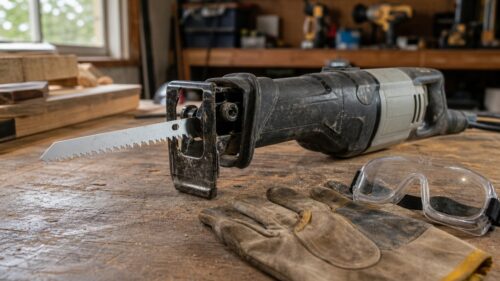
Is safety the first consideration when cutting with power tools? Always wear safety goggles, gloves, and hearing protection to prevent injuries. Secure the blade properly and guarantee it is compatible with your reciprocating saw or a jigsaw. Use the correct reciprocating saw blades or jigsaw blades for specific materials: wood, metal, or plastic. Keep the work area clear of debris and maintain a steady, controlled motion to avoid slips. Regularly inspect blades for wear or damage and replace them immediately to prevent accidents. These steps guarantee safe, clean cuts and prolong tool life, making every cut effective and safe.
Common Mistakes When Replacing Blades : What to Avoid
Avoid using the wrong blade shank size or shape when replacing a blade. First, check the saw’s blade compatibility chart for shank size, most reciprocating saws fit a specific shank shape and length. If the blade’s shank doesn’t fit securely, it can cause unsafe operation or damage. Always verify manufacturer recommendations before choosing a blade. Forcing a blade with the wrong shank into the saw can bend or break the shank, risking injury.
- Use blades with the correct shank size (e.g., T-shank, universal)
- Avoid mismatched shank types or incompatible blades
When to Upgrade Your Saw or Blades for Better Performance
Evaluate your current reciprocating saw and blades to determine if an upgrade is needed for better performance. Check if the blades are dull, worn, or bending during use, which reduces precision and causes damage. Upgrade when cutting becomes slow or inaccurate or if the motor strains. Use high-quality blades designed for specific materials to extend lifespan and improve cut quality. Consider switching to a more powerful or specialized reciprocating saw if demanding tasks are common. Delaying upgrades leads to increased wear on the saw and decreased efficiency. Always replace worn blades promptly. Proper tools and blades ensure faster, cleaner cuts and lessen the risk of motor damage.
Final Tips: Ensuring Compatibility and Safety in Your Projects
Always verify that the shank design and size of the jigsaw blade match your reciprocating saw’s compatibility before use. Confirm the shank type, such as T-shank or U-shank, and check for a secure fit in the blade clamp. Use the table below to visualize compatibility:
| Shank Type | Compatibility | Key Features |
|---|---|---|
| T-shank | Compatible only if device fits | Most common, easy to change |
| U-shank | Usually incompatible | Larger, less common |
| Other | Verify with manufacturer | Special designs |
Follow these steps to ensure safety and proper operation. Failure can cause poor cuts, wear, or safety hazards.
Frequently Asked Questions
What Should You Not Do With a Reciprocating Saw?
One should avoid improper uses of a reciprocating saw by disregarding safety precautions and neglecting blade maintenance, such as forcing cuts, exceeding capacity, or using damaged blades, to prevent hazards and guarantee ideal tool performance.
Are Jigsaw Blades the Same as Sawzall Blades?
Like a sword in a knight’s quest, jigsaw blades are not the same as Sawzall blades; blade compatibility is limited by design. Different cutting techniques and shank styles prevent interchangeability, ensuring each tool’s purpose and function remain independent for maximum freedom and safety.
Can You Use Any Blade for a Reciprocating Saw?
Blade compatibility varies; only blades rated for reciprocating saws guarantee tool safety and peak performance. Not all blades fit general-purpose tools, so selecting proper, compatible blades offers freedom while preventing damage or safety risks during operation.
What Is the Difference Between a Reciprocating Blade and a Jigsaw Blade?
Blade compatibility defines their distinct roles; reciprocating blades are robust for aggressive cuts, while jigsaw blades favor precision and curves. Their differing cutting techniques and designs emphasize that each tool’s purpose guides their unique, unmixable functionality.
Final Takeaways
Do not force a jigsaw blade into a reciprocating saw, as they are incompatible. Check your tool’s specifications and use the correct blade type for safe operation. Remember, a chain is only as strong as its weakest link; similarly, a tool’s performance relies on proper matching parts. Always prioritize safety by choosing the right blades, or else risk damage, injury, or incomplete cuts. Follow these instructions to guarantee a successful and safe project.

- 6 Best Heavy Duty Jig Saw for 2027 - September 26, 2026
- 8 Best Jigsaw Blades for Acrylic in 2027 - September 26, 2026
- 5 Best Festool Jig Saws for 2027 (Smooth Cuts Every Time) - September 25, 2026