
Are reciprocating saw blades universal? Understanding the shank type of your saw blade is crucial for ensuring compatibility with your tool.
Proper identification of the shank, whether T-shank, U-shank, or another style, helps prevent slips, damage, and safety hazards during operation.
Use calipers to precisely measure the diameter of the shank in inches or millimeters.
Check your saw’s manual for supported shank styles to guarantee a proper fit.
If the blade does not match the saw’s shank type, it will not lock securely, increasing the risk of accidents or damage to the blade or tool.
Exceptions exist for universal blades with adaptable shanks designed to fit multiple saw models. Compatibility, however, can vary significantly by brand and model, so it is important to verify specifications carefully before making a purchase.
Ensuring the correct shank type and knowing the compatibility details will help maintain safe, efficient cutting performance with your reciprocating saw.
Reciprocating Saw Blades: What They Are and How They Work
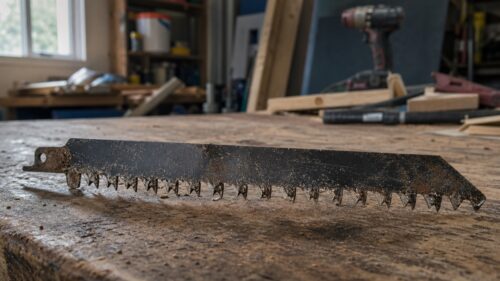
To understand reciprocating saw blades, first identify their main purpose. These blades are designed to cut through various materials using back-and-forth saw movement. Choose a blade that matches the material, such as wood or metal, based on teeth design and blade material, like bi-metal or carbide tips. Check the blade length to confirm proper cutting depth. Use a universal shank or a compatible one to fit your saw securely. TPI (teeth per inch) affects cutting speed and smoothness. Always match blade compatibility with your saw model to prevent failure. Adjust saw speed for different TPI settings until the blade cuts efficiently. Additionally, verify whether the blade can be safely used in your saw by considering factors like shank compatibility and blade retention systems.
Common Shank and Blade Sizes for Reciprocating Saws
Identify the shank and blade sizes that fit your reciprocating saw. Determine your saw’s blade size, common lengths range from 3 to 12 inches, and match it with shank sizes, mainly T-shank blades, the most universal. Verify blade compatibility to confirm proper fit and safe operation, standard shank types include T-shank, U-shank, and bayonet. For saw blade fit, check if your saw supports the blade size and shank type; otherwise, blades won’t lock securely. Unless your saw specifies, avoid using blades with incompatible sizes or shank styles, or else risk poor performance or damage. Always confirm your saw’s specifications before choosing reciprocating saw blades. Understanding reciprocating saw blade compatibility can help prevent mishaps and ensure optimal cutting performance.
Are Reciprocating Saw Blades Cross-Compatible With Different Models?
Since most reciprocating saw blades are not universally compatible across different models, you must verify compatibility before switching blades. Check the shank types, which refer to the blade’s mounting end. Universal blades with T-shank design often fit multiple saw models, but compatibility is not guaranteed. Confirm the shank’s size and shape match your saw’s chuck or clamp system. Improper blade fit can cause slips or damage. Always measure the shank diameter and compare it to your saw’s specifications. Additionally, consider the cutting depth and material thickness limits of your saw to ensure proper performance and safety. Be cautious and verify before interchangeability. This process prevents accidents and ensures proper blade performance, giving you freedom to choose compatible blades safely.
Do Different Blade Types Fit All Reciprocating Saws?
Different blade types do not automatically fit all reciprocating saws. Confirm your saw’s shank type, T-shank or U-shank, to guarantee compatibility.
Ensure your reciprocating saw’s shank type matches the blade for safe, effective cuts.
Additionally, understanding the blade design can help determine if a blade is suitable for your specific project and saw model.
- Check saw model specifications: Some saws only accept specific shank designs, making universal blades incompatible.
- Match shank size: Ensure blade shank dimensions, typically in inches, match the saw’s chuck to prevent unsafe fit or tool damage.
- Use an adapter if necessary: An adapter may allow blades with different shank types to fit, but always confirm compatibility first.
Failure to confirm compatibility can result in poor cuts, safety hazards, or damage to the saw.
How Do Shank Designs Affect Blade Compatibility and Safety?
To guarantee blade compatibility and safety, verify that the shank design matches your saw’s chuck. Use the correct shank types, such as T-shank, U-shank, or bayonet, to ensure a secure attachment with reciprocating saw blades. Proper fitting prevents blade slippage and enhances safety during operation. If shank types are incompatible, use saw adaptors designed for specific shank designs to achieve proper fitting. Always confirm that the shank design aligns before installing blades. Failing to match shank types can cause dangerous blade dislodgement. Checking shank compatibility and ensuring blades are tight helps prevent accidents caused by improper fitting or loose blades.
How to Confirm Your Blade Fits and Works Safely With Your Reciprocating Saw
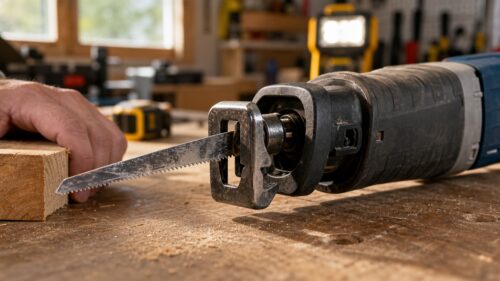
Always verify that your reciprocating saw blade fits firmly before heavy use. Confirm the shank type, such as T-shank or U-shank, matches your saw’s operative specifications to avoid safety risks. To confirm compatibility:
Always ensure your saw blades fit snugly to guarantee safety and optimal performance.
- Test a blade by inserting it into the saw. It should fit snugly with no wobbling or looseness.
- Check blade manufacturer’s specifications for shank design and length, ensuring they match your saw or else risk loose blades.
- For universal blades with T-shank design, verify if your model supports them, especially in tight spaces or older tools.
- Compatibility testing helps ensure the blade’s power, reliability, and cutting performance meet heavy-duty demands.
Firmly fitting blades prevent accidents and ensure smooth operation.
Frequently Asked Questions
Do All Reciprocating Saw Blades Fit Ryobi?
Not all reciprocating saw blades fit Ryobi; blade compatibility depends on blade types and shank style. Confirming compatibility guarantees ideal cutting precision, speed, and safety. Usage tips include proper installation and selecting durable, versatile blades suited to material and task.
Can I Use Any Blade for Reciprocating Saw?
Reciprocating saws require compatible blade types, sizes, and proper installation for safety and efficiency. Innovative blades suit various cutting materials, but blade compatibility, maintenance, and safety precautions are essential for peak performance and blade longevity.
Where Can I Find Replacement Blades for My Reciprocating Saw?
Replacement blades are available at hardware stores, online retailers, and specialty tool suppliers, offering diverse blade size options, material compatibility, and mounting types; selecting suitable blades enhances cutting efficiency, durability, and safety, supported by blade replacement tips and compatibility checks.
Are Sawzall Blades Interchangeable Between Brands?
Reciprocating saw blades, including Sawzall blades, generally aren’t universally compatible due to brand differences, blade sizing, and material compatibility, affecting cutting applications and safety, making them favored for specific power tool types with ergonomic design considerations.
Final Takeaways
Verify your saw’s shank size and design before choosing a blade. Make certain the blade fits securely to avoid accidents or damage. Measure your saw’s shank diameter or check the model specifications. Use only compatible blades to guarantee proper cutting and safety. Ignoring these steps may lead to poor performance or injury. Always double-check compatibility, just as you would match a key to a lock, before working to prevent issues.

- 6 Best Heavy Duty Jig Saw for 2027 - September 26, 2026
- 8 Best Jigsaw Blades for Acrylic in 2027 - September 26, 2026
- 5 Best Festool Jig Saws for 2027 (Smooth Cuts Every Time) - September 25, 2026