
Determine if your reciprocating saw is capable of cutting concrete, masonry, and tile. This task requires using blades specifically designed for these tougher materials, such as diamond grit blades or carbide-tipped blades. These specialized blades provide the necessary hardness and cutting power to handle dense surfaces safely and efficiently.
Ensure safety equipment is worn at all times, including eye protection, ear protection, and dust masks if needed.
Proper setup of the saw is essential, with the blade securely attached and the saw configured to operate at the correct speed for the material. Focus on cutting at a steady pace with consistent pressure to avoid blade damage and ensure a clean cut.
Skipping these steps can lead to damaging the blade, reducing its lifespan, or causing personal injury. Continue exploring the best techniques and tools for making specialized cuts, especially when working with hard, brittle, or delicate materials.
Proper preparation and technique help achieve precise results and extend the longevity of your reciprocating saw and blades.
What Is a Reciprocating Saw and What Can It Do?
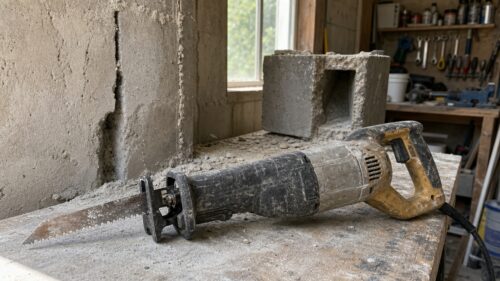
Have you ever wondered what a reciprocating saw is and what it can do? Use a reciprocating saw, which moves the blade back and forth in a push-and-pull motion, to cut various materials. Fit the saw with the correct blade, such as masonry blades, specifically designed for harder surfaces. Hold the saw firmly with both hands, one on the handle, the other on the body, to control the cut. Always use a blade suitable for your material to avoid damaging the tool or incomplete cuts. Adjust the blade length for narrower or tighter spaces, and do not force the saw, let the blade do the work. For specialized projects, understanding your reciprocating saw’s capabilities can help you make safer and more effective cuts.
Can a Reciprocating Saw Cut Concrete, Masonry, and Tile?
To cut concrete, masonry, or tile with a reciprocating saw, you must attach the correct blade designed for these materials. Use specialized reciprocating saw blades, such as diamond grit or carbide-tipped blades, to handle tough substances.
- Make sure blade length matches material depth so cuts are precise and safe.
- Always use water to reduce dust, increase safety, and improve cutting speed.
- Wear safety gear: goggles, gloves, and a dust mask for protection.
- Match the blade type to masonry or tile to prevent damage or injury.
- Consider the blade construction to ensure durability and effective cutting performance for tougher materials.
Follow these steps to achieve efficient cuts, or else risk injury or damaged tools.
Which Blade Is Best for Cutting Concrete With a Reciprocating Saw?
Choose the right blade for cutting concrete with a reciprocating saw by understanding the different types available. Use diamond grit blades, as they grind through concrete efficiently and last longer. Carbide-tipped blades remove material quickly and are suitable for tougher jobs but may wear faster. Bimetal blades work for general demolition but are less durable on dense concrete. Always select reciprocating saw blades with low TPI (Teeth Per Inch) to handle abrasive concrete materials effectively. Confirm the blade’s length and width match the concrete’s thickness to achieve smooth cuts. Improper blades can cause damage, delay work, or create unsafe conditions. Additionally, understanding reciprocating saw blade sizing helps in choosing the correct blade length, thickness, and flexibility for a specific job.
How Do You Safely Cut Brick and Cinder Block With a Reciprocating Saw?
Attach a masonry blade to the reciprocating saw, such as a diamond-grit or carbide-tipped blade, designed for cutting brick and cinder block.
- Secure the brick or cinder block firmly using clamps , it must not move during cutting.
- Adjust the saw to the correct speed and depth to avoid overheating or binding.
- Wear safety gear, including safety glasses, gloves, and a dust mask, to protect against debris.
- Use slow, steady movements; periodically cool the blade with water and avoid forcing the saw.
- Reciprocating saws are versatile tools that, with the right blade, can tackle masonry projects effectively.
Ensure proper technique with your reciprocating saw and concrete blade to safely cut masonry materials.
Can a Reciprocating Saw Effectively Cut Tile and Natural Stone?
Can a reciprocating saw effectively cut tile and natural stone? Yes, but only with the right tools. Choose a Reciprocating Saw Blade specifically designed for masonry or stone. Use a diamond-tipped or carbide-grit blade for best results, as these cut through tile and natural stone like marble or granite. Keep water cooling or dust control in place to prevent overheating and debris inhalation. For cleaner, more precise cuts, a tile saw or thinner blade is preferable. Recognize that natural stone may leave rough edges, so plan for grinding or polishing afterward. Always wear safety gear, and avoid rushing through the process. Additionally, selecting a powerful reciprocating saw with durable batteries can improve cutting efficiency and reduce work time.
What Are the Limitations of Using a Reciprocating Saw on Tough Materials?
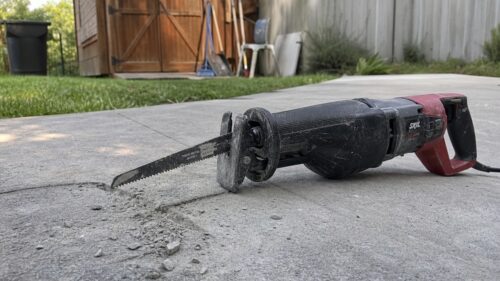
Recognize that reciprocating saws are not built to handle very tough materials. They struggle with cutting concrete or dense masonry, as their limited power and blade stability cause issues.
- Blades wear out quickly or break on hard surfaces.
- Speed and precision are often insufficient, resulting in rough edges.
- Lacking features like water cooling harms effectiveness.
- Excessive vibration risks tool damage.
Use a reciprocating saw only for softer materials. Never force it through concrete or masonry. If you must cut tough materials, switch to a concrete saw or masonry-cutting tool. Otherwise, you risk personal injury or tool failure. Always check the material’s hardness before starting.
Understanding material hardness can help determine whether a reciprocating saw is suitable for your project.
What Features Should I Look for in a Reciprocating Saw for Masonry and Tile?
When selecting a reciprocating saw for masonry and tile, prioritize models with high motor power. Choose a saw with variable speed control to match material hardness. Verify compatibility with specialized blades, diamond-tipped, carbide-tipped, or masonry blades. Look for a durable, vibration-dampening design for comfort and accuracy. Features like a blade-ejection system or quick-change mechanism are essential for swapping blades swiftly.
| Feature | Purpose | Advantage |
|---|---|---|
| High motor power (≥7 amps) | Handle tough materials | Efficient, fast cuts |
| Variable speed control | Adjust cutting speed to material hardness | Precision and control |
| Compatibility with blades | Use blades suited for concrete and stone | Versatility and durability |
How Can I Achieve Clean Cuts When Using a Reciprocating Saw?
Use a diamond or carbide-grit blade designed for masonry or concrete to guarantee clean cuts. Select a proper blade for concrete or masonry saw, ensuring it fits your reciprocating saw. Secure the material firmly, or else it will wobble and cause jagged edges. Use steady, even pressure, avoiding heavy force that causes chipping. Apply masking tape along the cut line to reduce vibrations and define the edge. Set the saw to low speed, or else rapid motion results in rough cuts. Employ a straight guide or jig for accuracy, or else uneven cuts will occur. Following these steps guarantees clean, smooth cuts every time.
How Do I Manage Dust and Debris When Cutting Hard Materials?
To effectively manage dust and debris when cutting hard materials like concrete, masonry, or tile, always wear a dust mask or respirator to safeguard your lungs from hazardous particles. Use a wet cutting method or a saw with an integrated water supply to minimize airborne dust. Employ dust collection systems or vacuum attachments designed to capture debris at the source. Keep the work area well-ventilated to reduce dust buildup and improve air quality. Regularly clean up debris and dust to prevent buildup and exposure during and after cutting.
| Step | Action | Purpose |
|---|---|---|
| Wear mask | Protect your lungs from hazardous dust particles. | Ensures you do not breathe in dangerous dust. |
| Use water | Minimize airborne dust during cutting with water or wet method. | Keeps dust from becoming airborne. |
| Attach vacuum | Use dust collection systems to capture debris at source. | Prevents cutting debris from spreading. |
| Clear area | Regularly clean dust and debris from environment. | Maintains safe, clear workspace. |
When Should I Use a Different Tool Instead of a Reciprocating Saw?
Different cutting tasks require different tools, especially with hard materials like concrete, masonry, or tile. Use a masonry sawzall or a rotary grinder when detail, precision, or clean edges are needed. Choose a concrete or cut-off saw for large, deep cuts through thick materials. When cutting reinforced concrete, a dedicated saw with a diamond blade for cutting is best. Wet saws minimize dust and improve safety.
- Use a masonry sawzall or rotary grinder for detailed cuts.
- Opt for a concrete saw for large, deep excavations.
- Employ a diamond blade for steel-reinforced concrete.
- Choose wet saws for cleaner, dust-controlled work.
How Do I Change Blades Safely on My Reciprocating Saw?
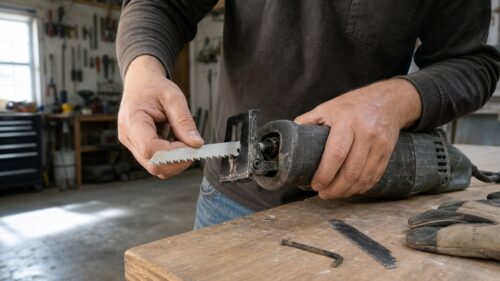
Before changing the blade on a reciprocating saw, always disconnect it from the power source to prevent accidental activation. Remove the saw plug or switch off the battery. For safety, wear protective gloves and eye protection.
Twist or press the blade lock or collar, following the manufacturer’s instructions, so the blade can be released or else damage may occur. Carefully slide out the worn blade, grasping it firmly without applying excessive force. Insert the new blade, ensuring it seats completely and the lock engages. Double-check the blade is secure and locked before reconnecting power or operating the saw. Always confirm the blade is properly installed to prevent accidents or blade failure.
How Can I Get the Most Out of My Reciprocating Saw and Blades?
Ensuring the best performance from a reciprocating saw and its blades requires proper use and maintenance. Choose the correct Blade For a Reciprocating, masonry, concrete, or tile, so cuts are efficient and safe. Keep blades clean and free of debris, or else they will dull faster and overheat. Match your saw’s speed and stroke length to the blade’s specifications, preventing damage and extending lifespan. Regularly check blades for wear or damage, and replace them immediately to avoid saw damage or poor cuts. Secure the material firmly, then move with steady, controlled motions to achieve clean, precise cuts with minimal waste.
Proper use and maintenance ensure safe, precise cuts and extend your reciprocating saw’s lifespan.
- Maintain proper blade selection and check for compatibility.
- Clean blades after each use to prevent debris buildup.
- Adjust saw speed to match blade requirements.
- Inspect blades often for damage or wear.
How Do Reciprocating Saws Compare to Other Cutting Tools for Masonry and Tile?
Reciprocating saws are useful tools for cutting masonry and tile, but they have limitations compared to specialized tools. Use them where mobility and access matter. For example, they excel in demolition or rough cuts in tight spaces. Other tools, like tile saws or masonry saws, give cleaner, more precise cuts for professional results. The table below highlights the differences:
| Tool | Best Use | Limitations |
|---|---|---|
| Reciprocating saw | Demolition, rough masonry cutting | Less precise, multiple blades |
| Tile saws | Precise tile and stone cuts | Less portable, bigger setup |
| Masonry saws | Large, smooth cuts in masonry | Heavy, less maneuverability |
What Are My Final Tips for Cutting Concrete and Masonry Successfully?
Begin by selecting the right blade for the job. Choose a carbide-tipped blade, which lasts longer and cuts more smoothly, or else the blade will wear out quickly and cause jagged edges.
Choose a carbide-tipped blade for smooth, durable cuts and to prevent jagged edges.
- Use the appropriate tool, like a reciprocating saw with a right tool for masonry.
- Set the saw to a slow, steady pace so the blade doesn’t overheat or break.
- Wear safety gear, like goggles and a dust mask, to stay protected from debris.
- Secure the material firmly so it doesn’t move, which could ruin the cut or damage the blade. Regularly check and replace worn blades to keep cutting safe and effective.
Frequently Asked Questions
Can a Reciprocating Saw Cut Masonry?
A reciprocating saw can perform concrete cutting and masonry demolition effectively when fitted with a diamond grit or carbide-tipped blade. This tool offers versatile freedom for demolition projects, enabling access to tight spaces and varied masonry materials efficiently.
What Should You Not Do With a Reciprocating Saw?
A reciprocating saw’s wild dance must be led by safety precautions and proper maintenance; reckless moves, such as forcing cuts or using damaged blades, are hazards that stifle freedom, risking injury, and compromising the power tool’s true potential.
Is There a Sawzall Blade That Will Cut Through Concrete?
Yes, specialized Sawzall blades designed for concrete, such as diamond grit or carbide-tipped, can cut concrete effectively. Proper tool maintenance and safety precautions are essential for peak performance and safety during masonry or tile work.
What Is the Cheapest Way to Cut Concrete?
The most economical approach involves exploring concrete tools like a handheld reciprocating saw with masonry blades, coupled with safety precautions. This provides a balanced method for those seeking freedom in DIY projects, emphasizing affordability, practicality, and safety.
Final Takeaways
If you follow these steps carefully, you will improve your cutting results and safety. Always choose the right blade and use proper techniques to avoid damage or injury. Keep your tools well-maintained and wear safety gear. If you see wear or damage, replace blades promptly. Using the correct approach will help you achieve better, cleaner cuts and extend the life of your reciprocating saw. Stay cautious and work methodically for the best outcomes.

- 6 Best Heavy Duty Jig Saw for 2027 - September 26, 2026
- 8 Best Jigsaw Blades for Acrylic in 2027 - September 26, 2026
- 5 Best Festool Jig Saws for 2027 (Smooth Cuts Every Time) - September 25, 2026