
Assess the tool you plan to use for pruning branches; a reciprocating saw can handle small cuts, but it is not suitable for cutting large or thick limbs. It’s essential to select blades specifically designed for wood, with teeth engineered for pruning tasks to ensure clean, precise cuts. Using the correct blades helps prevent the saw from binding or breaking, especially when working on smaller branches or finer pruning jobs.
When operating a reciprocating saw for tree trimming, keep your hands steady on the handle to maintain control and safety. Always cut near the limb’s base, close to the trunk, for better stability and to minimize damage to the tree.
If you encounter limbs over 6 inches in diameter, consider alternative tools such as a chainsaw or seek guidance before proceeding to avoid injury or improper pruning.
Is a Reciprocating Saw Suitable for Tree Pruning?
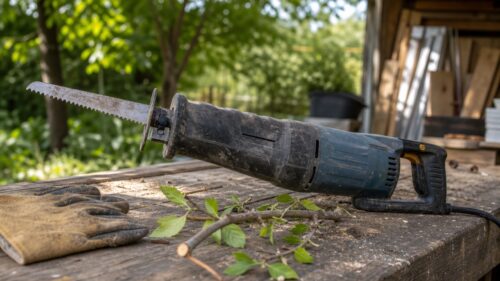
When considering whether a reciprocating saw is suitable for tree pruning, you should evaluate its capabilities and limitations. Use a reciprocating saw for trimming small to medium branches up to 6 inches in diameter. Choose pruning blades with 4-6 TPI (teeth per inch) and curved tips to improve safety and cutting quality. Secure the branch firmly to prevent slipping. Keep both hands on the saw handle, and cut steadily from top to bottom. Never attempt to cut large limbs or heavy branches, or else you risk safety hazards or damaging the saw. Remember, reciprocating saws are not designed for heavy-duty pruning or large tree felling. Also, selecting a lightweight reciprocating saw enhances handling comfort and safety during pruning tasks.
What Branches Can I Safely Cut With a Reciprocating Saw?
To cut branches safely with a reciprocating saw, only target small to medium-sized limbs up to 3 inches in diameter. Choose blades with 4-6 TPI for clean cuts. Press the saw’s curved tip against the limb, stabilizing the branch for safety. Keep your hands away from the blade’s path and press the saw firmly for control. Avoid cutting near power lines or delicate structures. Using a blade designed for cutting wood and tree material can enhance efficiency reciprocating saw blades.
Target branches up to 3 inches with a 4-6 TPI blade; stabilize and keep hands clear for safe cutting.
- Use adjustable blades with the correct TPI.
- Do not cut branches thicker than 3 inches.
- Stop immediately if the saw binds or kicks back.
How to Choose the Best Blades for Pruning With a Reciprocating Saw
Choosing the right blades for pruning with a reciprocating saw requires understanding their design and compatibility. Select reciprocating saw blades with 4-6 TPI (teeth per inch) for efficient cutting. Lower TPI blades cut faster through thicker wood, but may roughen surfaces. Use pruning blades with curved or arc-edged designs for smoother contact and cleaner cuts on limbs. Opt for flexible, high-carbon steel blades with anti-rust coatings to withstand outdoor weather. Confirm blades are compatible with your saw, preferably universal fit. Specialized pruning blades like Ezarc’s Japanese teeth set handle wet wood and various limb sizes. Proper blade selection ensures efficient, clean pruning results. Understanding teeth per inch (TPI) helps optimize cutting speed and finish quality for different pruning needs.
What Features Make a Good Pruning Blade for a Reciprocating Saw?
Identify key features that make a pruning blade suitable for a reciprocating saw. Choose reciprocating saw blades with a low TPI, typically 4-6, for smooth cuts through wood fibers. Select pruning blades with curved tips to contact branches more evenly, preventing splintering. Guarantee the blade is made of flexible, durable steel, such as CRV, to resist breaking under pressure. Opt for blades with coatings that resist rust and moisture, extending use outdoors. Verify compatibility with your reciprocating saw model and that the blade can handle various limb sizes, these features make pruning efficient and safe. Additionally, selecting blades designed specifically for smooth PVC cutting can help achieve cleaner cuts on delicate or plastic materials.
How Do I Prepare and Stabilize Branches for Safe Cutting?
Before cutting a branch, stabilize it to prevent movement and guarantee safety. Use supports, clamps, or stops to secure motion, so the branch stays steady during cutting, or else it may shift, causing injury. Hold the branch firmly with your free hand or a tool, pressing it against a stable surface to maintain control. Place the saw blade at the base of the branch, ensuring a proper position for a clean cut. Remove debris or loose bark around the branch to keep it from slipping. Always cut from below, reducing weight and risk. Confirm all supports are tight, and check for debris to avoid accidents during safe cutting. Also, consider the power and performance of your saw to ensure it can handle the thickness of the branches you’re cutting.
How to Cut Small Branches Effectively
How can you cut small branches effectively with a reciprocating saw? Use a saw with a 4-6 TPI pruning blade, designed for wood. Press the stop against the branch to guide the blade and keep it steady. Stabilize the branch with a support to prevent movement and guarantee a clean cut. Work from a stable stance, avoiding overreaching or applying excessive pressure, which could cause wobbling. Regularly replace or sharpen blades to maintain efficiency. When cutting small branches up to 3 inches in diameter, make steady, controlled motions. Proper blade design ensures smooth, safe cuts, preventing damage and making pruning easier. Additionally, understanding metal cutting considerations can help in selecting the right blade and technique for different branches or wood types.
How to Safely Cut Larger Limbs Up to 15 Inches in Diameter
To cut larger limbs up to 15 inches in diameter safely, start by stabilizing the limb firmly using supports or a stop. Use a reciprocating saw with a low TPI blade designed for cutting branches to guarantee efficient removal. Make multiple controlled cuts: first, an undercut on the bottom to prevent splitting, then overcut from above. Keep the saw blade perpendicular to the limb to prevent bending or kickback.
Securely stabilize limbs, use a low TPI reciprocating saw, and make controlled, perpendicular cuts for safe, efficient pruning.
- Wear gloves and eye protection to stay safe from falling debris.
- Confirm your footing is secure before starting.
- Clear the area of bystanders.
- Avoid forcing the saw; let it cut naturally.
Troubleshooting Common Cutting Problems: Binding, Bending, and Blade Damage
Inspect the saw and blade regularly for signs of problems such as binding, bending, or damage. Replace blades with chipped teeth or visible cracks immediately, or else they may break during cutting. To prevent binding, confirm the blade is aligned properly and cut smoothly without forcing pressure. Bending occurs if you apply lateral force or cut at wrong angles; stop and reposition the saw to avoid breakage. Check for blade damage before each use, look for signs like twisting or missing teeth. Tighten or replace loose or bent blades. Correct maintenance reduces the risk of injury and guarantees safe, efficient cutting.
What Safety Tips Should I Follow When Using a Reciprocating Saw for Pruning?
When using a reciprocating saw for pruning, safety precautions are essential to prevent injuries. Follow these safety tips:
- Wear protective gear, such as gloves, glasses, and hearing protection, to guard against flying debris and noise.
- Keep your hands clear of the blade path to avoid cuts or amputations.
- Use the stop on the saw to guide clean, controlled cuts.
- Stabilize branches with supports or stops to prevent dangerous slips.
- Inspect the blade regularly for damage, replacing dull or broken blades to prevent kickbacks.
Always secure your footing, avoid overhead cuts without support, and stay alert during pruning.
How Does a Reciprocating Saw Compare to Chainsaws and Manual Tools?
Compare reciprocating saws to chainsaws and manual tools to understand their uses and limitations. Use a reciprocating saw for small to medium branches because it is lightweight, maneuverable, and safer in tight spaces. Chainsaws are more powerful and suited for large, heavy-duty tasks, but they are less precise and more dangerous. Manual tools like pruning saws offer precision but require effort and time. When choosing, prioritize your needs: use a reciprocating saw for quick, targeted cuts, chainsaws for large limbs, and manual tools for detailed, clean work. Avoid using one tool for tasks better suited to another to guarantee safety and efficiency.
When Should I Use a Chainsaw or Hand Saw Instead of a Reciprocating Saw?
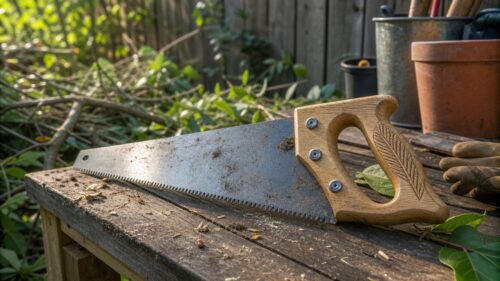
Choose a chainsaw or hand saw when dealing with larger branches or trees over 6 inches in diameter. Use a heavy-duty tool for safe, efficient cutting.
- Use a chainsaw for thick, hardwood limbs; it provides power and safety.
- Use a hand saw for fine pruning; it offers cleaner, more precise cuts.
- Avoid reciprocating saws for large, heavy-duty jobs; they lack strength and control.
- Use hand saws for small branches under 3/4 inch; they offer better accuracy.
- Choose a chainsaw for complete tree felling; it’s reliable and durable.
Follow these guidelines to guarantee safety and efficiency during your project.
How to Maintain Your Saw and Blades for Long-Lasting Pruning Performance
Regular maintenance is essential to keep your saw and blades working efficiently for pruning tasks. You must clean and wipe down saw blades regularly to remove sap, dirt, and debris, which can reduce cutting efficiency. Inspect blades for damage such as chipping or bending, and replace them immediately if needed, to prevent accidents or further tool wear. Lubricate blade joints and moving parts as recommended to guarantee smooth operation and extend blade life. Store blades in a dry, protected environment to prevent rust. Using the correct blade for each cutting task and maintaining blades properly will help achieve better pruning performance and prolong the life of your saw.
Final Tips for Achieving Clean, Controlled Tree Pruning Cuts
To achieve clean, controlled cuts when pruning trees, you must follow precise cutting techniques. Verify the blade is sharp with a low TPI (4-6) design for smooth cuts. Maintain control by pressing the stop against the limb during cutting to prevent gouging. Stabilize branches with supports or stops so they don’t move, guaranteeing accuracy. Make multiple shallow cuts if necessary, reducing stress on the tree. Always prioritize safety by supporting branches securely.
- Visualize your cut before starting.
- Maintain steady hand control at all times.
- Keep the blade perpendicular to the limb.
- Use both hands for better control.
- Never rush sections, guaranteeing safety and control.
Frequently Asked Questions
What Should You Not Do With a Reciprocating Saw?
Avoid ignoring safety precautions, neglecting tool maintenance, or employing improper technique with a reciprocating saw; these actions risk damage, injury, or accidents. Proper technique and routine checks are essential for safe, effective operation, especially during pruning or cutting tasks.
What Is the Best Reciprocating Saw for Cutting Tree Branches?
The best reciprocating saw for cutting tree branches combines pruning techniques, safety precautions, and proper blade selection, such as 4-6 TPI blades; cordless models with durable blades offer freedom to work efficiently in outdoor environments.
What Is the Best Tool to Cut Branches off a Tree?
The best tool varies by branch size; pruning shears or hand saws for small, chainsaws for large limbs. Proper pruning techniques, safety gear, and suitable saw blade types guarantee safe, effective trimming, offering freedom in tree maintenance.
Can a Sawzall Cut Thick Tree Branches?
A Sawzall’s blade can dance through branches up to three inches, but risks are as clear as day for larger limbs. Pruning techniques, proper safety gear, and ideal cutting angles are essential for effective, safe cutting.
Final Takeaways
Use a reciprocating saw wisely, understanding its limits and proper techniques. It can efficiently trim small branches but is not suitable for large limbs or trees. Always select the correct blade, secure branches firmly, and follow safety rules. Remember, tools are only as effective as the user’s knowledge. When in doubt, choose specialized equipment. Proper use guarantees safety and better results, reminding you that effective pruning is a careful balance between power and precision.

- 6 Best Heavy Duty Jig Saw for 2027 - September 26, 2026
- 8 Best Jigsaw Blades for Acrylic in 2027 - September 26, 2026
- 5 Best Festool Jig Saws for 2027 (Smooth Cuts Every Time) - September 25, 2026