
Knowing the correct direction for a circular saw blade is essential for both safety and performance, because the orientation of the blade teeth determines how cleanly and efficiently the tool can cut the material. A circular saw is designed so its blade rotates upward through the workpiece, meaning the teeth enter the wood from below and eject sawdust upward toward the blade guard and dust port. Over years of handling saws, I’ve found that most mistakes with blade direction come from assuming the blade looks symmetrical when in fact the markings, teeth angle, and rotation arrow must work together. In nearly all handheld circular saws, the blade faces forward toward the front of the saw, matching the saw’s intended cut path and ensuring a clean and safe cut.
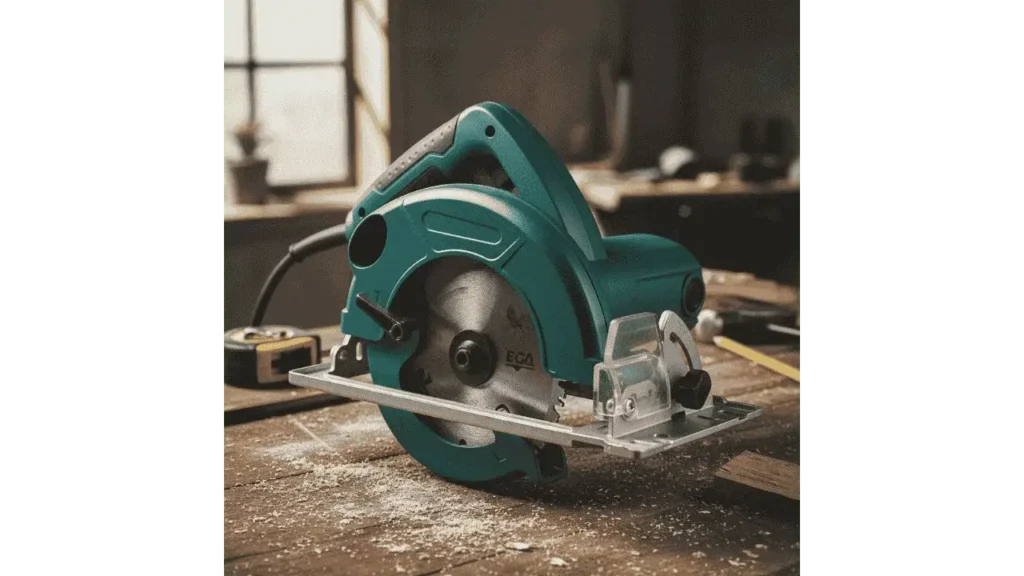
How Can You Tell the Correct Rotation Direction for a Circular Saw Blade?
Every circular saw blade has a printed rotation arrow that shows which way the blade should spin. The saw itself also has an arrow stamped into the blade guard cover or motor housing. The correct installation requires you to match blade arrow to saw rotation arrow, ensuring both point in the same direction. The teeth orientation should always lean forward, allowing the teeth to enter the wood on the upward stroke. Whether you own a right-blade or left-blade saw, corded or cordless, the required rotation remains the same; only the visual layout changes. Forward-facing teeth paired with proper rotation ensure the saw ejects chips efficiently and maintains a smooth and efficient cut every time.
Why Do Circular Saw Blades Cut Upward?
The blade spins so the teeth point up, pulling the material down against the shoe for stability. This upward entry helps prevent the saw from wandering and gives you more controlled guidance along the line. By cutting from bottom to top, the tool reduces the risk of the material kicking upward unexpectedly. This controlled blade rotation direction is what allows a circular saw to produce accurate cuts while stabilizing the workpiece beneath your hands.
How Does the Blade Direction Differ Between Cordless and Corded Saws?
Cordless and corded saws share the exact same rotation direction. The difference usually lies in the motor placement, which can make the blade appear reversed when mounted on a left-side versus right-side design. Even if the saw layout looks different, the directional arrow and the teeth orientation remain constant. Regardless of the model, the blade must always face the direction the saw spins, with the cutting edge moving upward through the material.
What Happens If You Install a Circular Saw Blade Backwards?
Installing a blade backward immediately causes cutting issues. The saw may burn the wood, struggle to cut, or vibrate harshly as the blade teeth fail to engage correctly. Excessive friction from incorrect rotation can dull the blade prematurely and strain the motor. The cut becomes rough, slow, and unpredictable, increasing the risk of binding and kickback.
As safety engineer Marcus Delroy says,
“A backward blade turns a precision tool into a hazard, you lose control, the saw fights you, and the wood responds unpredictably.”
Why Is Backward Installation a Major Safety Risk?
The backward edge of each tooth is not designed for cutting. If reversed, the blade may skate across the wood instead of biting into it, causing the saw to surge or pull unexpectedly toward the operator. This kind of incorrect orientation removes the built-in safety advantage of proper blade rotation and can result in dangerous, jerking movement.
How Do Blade Teeth Shape Help You Identify the Correct Direction?
Each saw blade’s teeth lean forward, pointing toward the direction of travel. The sharper, steeper edge is the cutting side; the flatter portion trails behind. If your blade has printed lettering on only one side, it often faces outward, but the most reliable indicators are still the blade markings and rotation arrows. When installed correctly, the teeth should face the front of the saw and point upward as they approach the material, allowing the blade to cut the material cleanly and eject chips properly.
Are There Differences in Direction for Specialty Circular Saw Blades?
Specialty blades still follow the same fundamental principle of forward rotation. High-tooth-count plywood or finish blades, metal-cutting blades, and even diamond or abrasive discs must follow their printed directional arrows. Some specialty blades feature reversible graphics that can confuse beginners, but the rotation arrow should always override visual design. If the blade lacks visible teeth, as with abrasive wheels, the directional arrow becomes essential for correct installation.
What Should You Check After Installing the Blade?
After mounting the blade, spin it gently by hand to ensure smooth, free rotation without rubbing the guard or flange. Confirm the arbor bolt and flange are firmly seated and that you’ve tightened the arbor bolt securely but not excessively. Check that the blade guard moves freely and snaps back into place. Once everything is aligned, plug the saw in or insert the battery and run it briefly without cutting to confirm stable rotation.
As tool instructor Helen Ward advises,
“Always test the spin before the first cut. If the blade wobbles or drags, stop immediately and check your installation.”
Frequently Asked Questions (FAQs):
Q1: How do I know the correct circular saw blade direction without reading the manual?
You can identify circular saw blade direction by checking the rotation arrow on the blade and matching it to the arrow on the saw’s housing. Even without arrows, the cutting teeth should always face forward toward the front of the saw, moving upward through the material.
Q2: Should the writing on a circular saw blade face outward when installed?
On many blades, the printed side faces outward, but this isn’t a universal rule. The safest method is to rely on rotation arrows and tooth direction. The correct circular saw blade direction always follows the saw’s rotation, not the label orientation.
Q3: What happens if I accidentally install a circular saw blade backward?
Incorrect circular saw blade direction causes poor cutting performance and increases safety risks. A backward blade will burn the wood instead of cutting it cleanly, strain the motor, and increase the chance of binding or kickback during use.
Q4: Do left-handed and right-handed circular saws change blade direction?
No, blade direction stays the same on both. What changes is which side of the saw the blade sits on. Regardless of orientation, the circular saw blade direction must always push upward through the cut toward the operator.
Q5: How should the teeth point when cutting plywood with a circular saw?
The teeth should point forward in the correct circular saw blade direction so they cut upward through the sheet. This upward stroke helps stabilize the saw, creates cleaner cuts, and prevents splintering on the top surface of the plywood.
Final Takeaways
A circular saw blade must always rotate forward, with the teeth entering the wood on the upward stroke. Matching the blade’s directional arrow with the arrow on the saw guarantees correct orientation. Backward installation leads to overheating, binding, and unsafe cutting conditions. Understanding blade direction not only improves accuracy but also protects your saw, the blade, and the user. Proper orientation ensures every cut is cleaner, safer, and far more efficient.

his personal experience and loves to share their nitty gritty details with his audience.
Although Richard does focus on other home improvement tools, his focus remains on cutting fallen trees or maintaining his backyard via chainsaw tools. He pledges to come up with new knowledge about chainsaws every once in a while.
- 7 Best Professional Jigsaws Tested for 2026 - January 20, 2026
- 7 Best Jigsaws for Home Use in 2026 - January 20, 2026
- 7 Best Jigsaws for Beginners Tested in 2026 - January 20, 2026