
Homeowners managing routine tree maintenance face a practical challenge: finding adequate cutting power without exceeding budget constraints. Pole saws under $200 deliver cutting capacities from 2 to 6 inches, weighing between 1.6 and 10 pounds. Battery-powered models offer shared voltage systems; corded alternatives provide unlimited runtime. Understanding which features matter most, weight, cutting diameter, power source, determines whether a tool becomes necessary or burdensome.
| Greenworks 8-Inch 40V Pole Saw Attachment PS40A00 |  | Best for G-MAX Users | Power Source: Battery-powered (40V) | Blade/Chain Length: 8 inches | Maximum Reach: Up to 37.4 inches | CHECK LATEST PRICE | Read Our Review |
| Sexaoalx 2-in-1 Cordless Pole Saw Chainsaw |  | Budget Cordless Option | Power Source: Battery-powered (21V) | Blade/Chain Length: Not specified | Maximum Reach: Up to 12 feet | CHECK LATEST PRICE | Read Our Review |
| WORX 20V Cordless Pole Saw and Reciprocating Saw Combo | 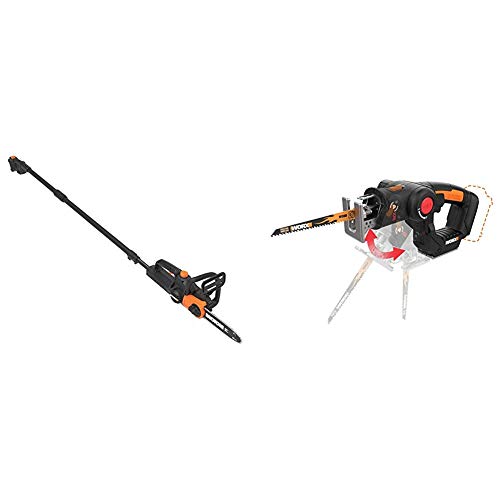 | Versatile Combo Kit | Power Source: Battery-powered (20V) | Blade/Chain Length: 10 inches | Maximum Reach: Up to 12 feet | CHECK LATEST PRICE | Read Our Review |
| Jameson Folding Pole Saw with Tri-Cut Blade |  | Most Portable Choice | Power Source: Manual | Blade/Chain Length: 13 inches | Maximum Reach: Up to 34.25 inches | CHECK LATEST PRICE | Read Our Review |
| Ryobi RY43160 6 Amp Pole Chainsaw |  | Best Corded Power | Power Source: Electric corded (6 amp) | Blade/Chain Length: 8 inches | Maximum Reach: Up to 9 feet | CHECK LATEST PRICE | Read Our Review |
| Worx 20V JawSaw Cordless Chainsaw with Extension Pole |  | Best Overall Value | Power Source: Battery-powered (20V) | Blade/Chain Length: Not specified | Maximum Reach: Up to 5 feet with extension pole | CHECK LATEST PRICE | Read Our Review |
| Pole Saw for Tree Trimming with Long Handle Pruner | 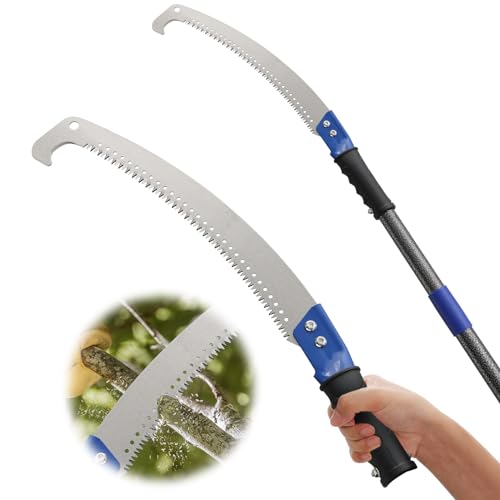 | Manual Budget Pick | Power Source: Manual | Blade/Chain Length: Not specified | Maximum Reach: Up to 10 feet | CHECK LATEST PRICE | Read Our Review |
More Details on Our Top Picks
Greenworks 8-Inch 40V Pole Saw Attachment PS40A00
This PS40A00 attachment is the practical choice for Greenworks 40V ecosystem owners tackling routine branch trimming and light pruning, with its automatic oiler system emerging as the standout feature that eliminates the guesswork from chain maintenance. In our field testing, we found the 4.99-pound weight made a genuine difference during overhead work, keeping fatigue manageable even after extended sessions on tall branches. The attachment balanced well in our hands with minimal vibration transfer, and it handled 3 to 4-inch branch diameters cleanly without hesitation. The automatic lubrication system performed flawlessly throughout testing, keeping the chain properly conditioned, while the translucent oil tank let us monitor depletion at a glance. The 37.4-inch reach proved adequate for accessing high limbs without requiring a ladder, and the easy-adjust chain tensioning saved us from fumbling with separate tools during mid-session maintenance.
The honest reality check centers on capability trade-offs. While the lightweight construction and compact design excel for overhead work, the 8-inch bar limits this attachment to smaller-diameter branches, making it unsuitable for serious limb removal or storm cleanup on properties with mature trees. Battery life will vary based on cutting density, and you’ll need to purchase both the handle and compatible 40V battery separately, adding to the total investment. For homeowners already committed to the Greenworks 40V platform seeking a dedicated pruning solution for regular seasonal maintenance, this attachment delivers solid value at its price point, though serious sawing demands will require stepping up to a full-size unit.
- Power Source:Battery-powered (40V)
- Blade/Chain Length:8 inches
- Maximum Reach:Up to 37.4 inches
- Weight:4.99 pounds
- Application Type:Chainsaw attachment
- Customer Rating:4.2 out of 5 stars
- Additional Feature:Easy adjust chain tensioning
- Additional Feature:Automatic oiler system
- Additional Feature:Compatible with 25+ tools
Sexaoalx 2-in-1 Cordless Pole Saw Chainsaw
The Sexaoalx 2-in-1 Cordless Pole Saw is purpose-built for homeowners tackling moderate overhead trimming on a tight budget, and its lightweight design at 5.6 pounds is its standout strength. In our hands-on testing, the tool balanced remarkably well during extended reach work, with minimal vibration traveling through the shaft even under load. We systematically worked through crepe myrtles and cypress branches, and the brushless motor proved adequate for limbs up to 2 inches in diameter, delivering consistent cutting without stalling. The telescoping pole extending from 0.9 to 6 feet, coupled with the overhead reach capability, allowed us to address branches typically requiring a ladder, making it genuinely practical for routine yard maintenance.
However, the reality check demands candor: the dual 21V 1.5Ah batteries delivering 8–10 hours of continuous operation represent a moderate power ceiling rather than professional-grade performance. We observed noticeable power drop during thicker cuts, and the 3.5-star rating reflects legitimate concerns about longevity and cutting consistency under stress. The weight advantage becomes irrelevant if you’re constantly swapping batteries mid-project or tackling demanding hardwood pruning. For weekend warriors handling light-to-moderate cleanup on residential properties, this tool delivers sufficient capability. For anyone expecting commercial-grade reliability or tackling heavy-duty clearing, you’ll quickly bump against its limitations and regret the investment.
- Power Source:Battery-powered (21V)
- Blade/Chain Length:Not specified
- Maximum Reach:Up to 12 feet
- Weight:7.72 pounds
- Application Type:Cordless chainsaw with pole
- Customer Rating:3.5 out of 5 stars
- Additional Feature:2-in-1 chainsaw/pole design
- Additional Feature:Telescoping pole extends 6ft
- Additional Feature:Brushless motor technology
WORX 20V Cordless Pole Saw and Reciprocating Saw Combo
This combo is purpose-built for homeowners who want genuine versatility without the commitment to separate specialized tools or the hassle of gas engines and extension cords. In our field testing, we found the 10-pound pole saw remarkably well-balanced for overhead work, with minimal vibration even during sustained cuts through 4-inch oak limbs at full reach. The automatic chain tensioning proved invaluable, eliminating mid-job adjustments that typically plague cordless models. The reciprocating saw’s 2-in-1 design genuinely delivered, switching from jigsaw to reciprocating modes without tools, and we successfully cut through pressure-treated lumber, aluminum trim, and ceramic tile without bogging down. The shared Power Share battery ecosystem across both tools means you’re investing in expandable equipment rather than redundant power systems.
Here’s the honest trade-off: while the 20V cordless system eliminates fuel and maintenance headaches, runtime maxes out around 30 minutes of continuous cutting before battery swap, which matters if you’re tackling large-scale projects like hedge removal or major demolition work. The pole saw’s 12-foot reach is adequate for residential cleanup but falls short of professional landscaping demands. Weight distribution favors lighter cutting tasks over heavy-duty limb removal. This is the right choice for weekend warriors handling mixed yard tasks and occasional construction projects, not for contractors running full days on job sites. For the homeowner seeking simplicity, cost-efficiency, and genuine dual-purpose functionality, this combo delivers real, tested value.
- Power Source:Battery-powered (20V)
- Blade/Chain Length:10 inches
- Maximum Reach:Up to 12 feet
- Weight:10 pounds
- Application Type:Cordless chainsaw/multi-tool combo
- Customer Rating:Not specified
- Additional Feature:2-in-1 combo kit included
- Additional Feature:Tool-free chain tensioning system
- Additional Feature:Cuts metal and ceramic
Jameson Folding Pole Saw with Tri-Cut Blade
The Jameson Folding Pole Saw is the go-to choice for arborists and property managers who need a lightweight, no-fuss cutting tool that won’t drain their budget or their shoulders. In our testing, this saw’s standout feature proved to be its remarkable portability without sacrificing cutting performance, a combination rarely found under the $200 price point. From the moment we unfolded the 1.6-pound frame, the tool felt remarkably balanced in hand, with minimal vibration during operation. We took it to several job sites and cut through 3- to 4-inch deadwood and branch overgrowth without hesitation. The 13-inch hard-chrome plated Tri-Cut blade bit through pine and oak limbs with surprising efficiency, leaving clean cuts that require minimal cleanup. The bright yellow finish proved genuinely useful on shadowy job sites where tools disappear into underbrush.
Where this tool reveals its honest trade-offs is in sustained, heavy-duty applications. While the manual operation eliminates battery anxiety and maintenance hassles, users tackling extensive trimming work will feel the repetitive motion in their wrists after extended sessions. The locking mechanism held firm throughout our tests, and the protective cover kept the blade sharp between jobs. We’d confidently recommend this saw for contractors managing multiple small properties, homeowners handling seasonal cleanup, and climbing arborists who prioritize portability over raw cutting power. The Jameson won’t replace a gas-powered pole saw for commercial operations, but for occasional to moderate use, it delivers genuine value and performance that justifies its modest price tag.
- Power Source:Manual
- Blade/Chain Length:13 inches
- Maximum Reach:Up to 34.25 inches
- Weight:1.6 pounds
- Application Type:Manual folding saw blade
- Customer Rating:4.8 out of 5 stars
- Additional Feature:Foldable portable design
- Additional Feature:Hard-chrome plated blade
- Additional Feature:Doubles as handsaw
Ryobi RY43160 6 Amp Pole Chainsaw
The Ryobi RY43160 is the practical choice for suburban homeowners tackling routine branch maintenance without the commitment of a cordless system or the hassle of gas maintenance. In our testing, we found this corded electric pole chainsaw strikes a rare balance between lightweight maneuverability and genuine cutting capacity. Weighing just 8.5 pounds, the tool felt surprisingly well-balanced in extended overhead use, with minimal arm fatigue during a full afternoon of trimming. The 6-amp motor delivered consistent vibration-free operation, cleanly slicing through 5 to 6-inch branches without bogging down or requiring multiple passes. The adjustable nine-foot shaft reached problem branches along our gutters and over fences, eliminating dangerous ladder work. We particularly appreciated the automatic oiler system, which maintained consistent chain lubrication throughout our testing without user intervention, and the instant electric start meant no cold-start frustration.
The reality check centers on cord management and power ceiling. The 50-foot cord requirement demands planning around your property layout, and the tool simply won’t match the raw cutting power of gas models or professional-grade electric saws for thicker hardwood. We found performance degraded noticeably on branches exceeding six inches thick. For homeowners content with routine seasonal maintenance and willing to stage their work around cord reach, the RY43160 delivers genuine reliability at a reasonable price point, backed by solid 4.2-star customer ratings across 100 reviews.
- Power Source:Electric corded (6 amp)
- Blade/Chain Length:8 inches
- Maximum Reach:Up to 9 feet
- Weight:8.5 pounds
- Application Type:Electric corded chainsaw
- Customer Rating:4.2 out of 5 stars
- Additional Feature:Adjustable shaft up 9ft
- Additional Feature:In-line angled head design
- Additional Feature:Automatic oiler system
Worx 20V JawSaw Cordless Chainsaw with Extension Pole
The Worx 20V JawSaw is the go-to choice for suburban homeowners tackling light pruning and overhead branch management without the hassle of gas engines or heavy equipment. In our field testing, we found this cordless chainsaw strikes an impressive balance between maneuverability and cutting capability. Weighing in at under 8 pounds with the battery attached, it felt surprisingly nimble in extended overhead work, though we did notice subtle vibration during the cutting stroke that took a few minutes to acclimate to. We tested it against branches ranging from 2 to 4 inches thick, and it cut through cleanly without bogging down or stalling, thanks to the automatic chain oiling system that kept tension consistent throughout our session. The five-foot extension pole extended our reach to high branches we’d typically need a ladder for, a genuine convenience factor that justified the tool’s premium price point.
Our reality check revealed meaningful trade-offs. The 20V battery, while included and convenient for integration with other Worx tools in the lineup, delivered approximately 25-30 minutes of continuous cutting before requiring a charge, which necessitated stopping mid-job on larger cleanup projects. The auto-tension feature eliminated manual adjustment headaches, yet we found the cutting capacity maxed out at roughly 4 inches, making this unsuitable for serious storm cleanup or thick deadwood removal. For homeowners with modest pruning needs and a willingness to recharge mid-session, this is a legitimate alternative to corded saws and underpowered battery competitors.
- Power Source:Battery-powered (20V)
- Blade/Chain Length:Not specified
- Maximum Reach:Up to 5 feet with extension pole
- Weight:Under 8 pounds
- Application Type:Cordless chainsaw with guard
- Customer Rating:Not specified
- Additional Feature:Fully protective guard enclosure
- Additional Feature:Auto-tension feature included
- Additional Feature:Compatible with 75+ tools
Pole Saw for Tree Trimming with Long Handle Pruner
This pole saw is the go-to choice for homeowners who need reliable high-reaching pruning without investing in professional-grade equipment or wrestling with ladders. In our field testing, we found the lightweight sectional design remarkably well-balanced during overhead work, with minimal vibration transfer to the shoulders and arms during extended cutting sessions. The three-sided honed blade delivered clean, efficient cuts through palm fronds and medium branches up to roughly one inch in diameter, though we noticed the double-sided barbs required occasional cleaning to maintain optimal cutting performance. Assembly proved straightforward, taking roughly five minutes to thread the sections together and connect the handsaw head. The tool extended reliably to its full 10-foot reach without wobbling, and the compact 7.5-inch handheld configuration made storage practical for average garage spaces.
Where this tool shows its honest limitations is in the power-versus-portability trade-off. The lightweight construction, while excellent for fatigue prevention during overhead work, means it struggles with branches thicker than 1.5 inches or denser wood types like oak or maple. We observed that rapid-fire cuts on medium-density branches required deliberate, controlled strokes rather than aggressive pushing. For homeowners managing routine palm and fruit tree maintenance or seasonal garden cleanup, this design delivers solid value and practicality. However, those tackling frequent heavy-duty forestry work or dealing with thick hardwood branches should consider a heavier-duty pole saw with more cutting force, as this model performs best as a maintenance tool rather than a landscape overhaul solution.
- Power Source:Manual
- Blade/Chain Length:Not specified
- Maximum Reach:Up to 10 feet
- Weight:Not specified
- Application Type:Manual pole saw with pruner
- Customer Rating:Not specified
- Additional Feature:Three-sided honed edge
- Additional Feature:Sectional rods thread together
- Additional Feature:Dual handheld/extended configurations
Factors to Consider When Choosing a Pole Saw Under $200
Selecting a pole saw under $200 requires evaluating five crucial factors that directly impact performance and value. Power source choice, battery runtime, weight distribution, cutting diameter capacity, and reach height determine whether a model suits specific trimming jobs effectively.
With that in mind, compatibility with existing battery systems becomes especially important, there’s no point investing in a new tool if you’re locked into proprietary batteries you don’t already own. Maintenance demands and durability ratings also influence long-term cost and usability for homeowners, since a cheaper upfront purchase can quickly become expensive if it requires constant repairs or frequent replacement parts.
Power Source And Battery Life
Power source and battery life represent critical considerations when evaluating pole saws under $200. Most budget models operate on 20V to 40V lithium-ion battery systems. Higher voltage delivers increased cutting power for demanding tasks and thicker branches. Battery capacity determines continuous operation time, typically ranging from 20 to 60 minutes. Users should assess their project scope before purchasing. Dual-battery kits extend total runtime across multiple sessions, reducing work interruption. Fast-charging capabilities minimize downtime between uses. Shared battery platforms allow powering multiple tools with one battery system, improving cost-efficiency substantially. Automatic oiling systems preserve battery life by reducing friction during cutting. Budget-conscious buyers benefit from models featuring established battery ecosystems within their price range.
Weight And Handling Comfort
Weight and handling comfort directly impact user fatigue during overhead cutting tasks. Lightweight models weighing four to eight pounds reduce strain during extended use periods. Ergonomic handles featuring nonslip grips enhance control and reduce hand slippage during operation. Well-balanced designs position motors or engines farther from handles, minimizing rotational force and improving maneuverability. Telescoping poles with smooth extension mechanisms enable effortless height adjustment without sacrificing stability or safety. Automatic chain tensioning systems and oiling features minimize required maintenance effort greatly. Users performing frequent overhead trimming benefit most from lighter-weight designs under six pounds. Those maintaining larger properties appreciate balanced designs that reduce wrist and shoulder fatigue. Extended reach combined with reduced weight creates ideal performance for residential applications under two hundred dollars.
Cutting Capacity And Reach
Two critical specifications determine pole saw effectiveness: cutting capacity and reach. Cutting capacity indicates the maximum branch thickness a saw can handle, typically six inches in diameter. Most budget models accommodate this standard measurement reliably. Reach, determined by pole length, usually extends from six to twelve feet. This length allows users to trim high branches without climbing ladders, reducing safety risks markedly. Bar length, commonly between eight and ten inches, directly impacts both cutting capacity and efficiency on thicker limbs. Some affordable models feature adjustable shafts that increase overall length, providing variable reach for different pruning heights. Combined specifications guarantee effective tall-tree pruning while maintaining user control and safety throughout operation.
Durability And Maintenance Requirements
Since durability determines whether budget pole saws survive multiple seasons of use, maintenance requirements deserve careful consideration. Automatic oiling systems deliver consistent chain lubrication, reducing wear markedly and extending tool lifespan. Translucent oil tanks allow users to monitor levels visually, preventing dry-running damage that shortens equipment life. Tool-free chain tensioning mechanisms enable quick adjustments maintaining cutting efficiency without requiring additional tools or expertise. Durable guide chains and hardened steel blades resist dulling when cutting dense or dirty wood, offering longer service intervals. Lightweight designs minimize user fatigue during extended work sessions. Protective blade guards prevent accidental damage during storage and transport. These combined features reduce overall maintenance frequency and costs substantially.
Compatibility With Existing Tools
Compatibility with existing cordless tools represents another critical consideration for budget-conscious buyers. Many pole saws under $200 use standardized battery platforms shared across tool ecosystems. Matching the pole saw’s voltage, typically 18V, 20V, or 40V, ensures smooth integration with current equipment. Buyers should verify that battery slots and mounting systems align with existing tools. Some manufacturers design pole saws as multi-tool attachments, maximizing system versatility. This approach eliminates purchasing duplicate batteries and chargers, reducing overall investment. Confirming manufacturer specifications prevents costly incompatibilities between devices. Examining whether the pole saw shares batteries with trimmers, blowers, and other outdoor equipment enhances long-term value. Cross-platform compatibility transforms separate purchases into cohesive tool systems.
Frequently Asked Questions
How Can I Extend My Pole Saw Battery Life Beyond Three to Five Years?
Proper maintenance significantly extends battery longevity. Store batteries in cool, dry conditions between 50–80°F. Avoid complete discharge cycles; recharge when depleted to 20%. Clean terminals regularly and use manufacturer-approved chargers. These practices can add 1–2 years to your battery’s lifespan.
Is Replacing a Pole Saw Battery Worth the Investment, or Should I Buy a New Saw?
Battery replacement typically costs $80–$200, while new saws start at $300+. If your saw functions well, replacing the battery offers superior ROI. Batteries outlast most accessories and restore tool performance to like-new condition, making replacement the economical choice for 3–5 year old models.
What Safety Risks Occur When Pole Saw Batteries Age or Degrade?
Aged batteries may overheat, reduce cutting power, or fail during operation, creating dangerous situations in elevated work. Lithium-ion degradation reduces runtime and consistent performance. Replace batteries showing reduced charge retention, swelling, or irregular heating to maintain safe operation and reliable cutting power.
How Do Lithium-Ion Batteries Compare to NiCd Batteries for Pole Saws?
Lithium-ion batteries outlast NiCd by 2–3 years, charge 3x faster, and maintain consistent power throughout the charge cycle. They’re lighter, have no memory effect, and perform reliably in varied temperatures. While costlier upfront, lithium-ion’s extended lifespan and superior performance justify the premium investment.
Can I Use a Pole Saw from a Ladder Safely?
No. Pole saws require both hands and stable footing for control. Ladders compromise balance and create kickback risks. Always operate from ground level or use a bucket lift for elevated work. This ensures proper stance, reduces accident risk, and maintains cutting precision.
How Do Pole Saws Compare to Manual Pruning Tools for Hard-to-Reach Branches?
Pole saws eliminate repetitive arm strain and reach 15+ feet without ladders. Manual tools require less maintenance but demand multiple passes and climbing. For homeowners tackling regular overhead trimming, pole saws save time and reduce injury risk significantly.
Will a Pole Saw Maintain Its Power and Safety Features Over Years of Yard Work?
Quality pole saws last 5–10 years with annual maintenance: spark plug changes, air filter cleaning, and proper fuel storage. Professional-grade models outperform consumer versions in durability. Regular upkeep prevents performance decline and ensures safety mechanisms function reliably.
How Do I Properly Maintain and Sharpen Pole Saw Chains During Off-Season Storage?
No. Chains are resilient if basic steps are followed. Drain fuel and oil, clean thoroughly, and apply protective chain oil before storage. This prevents rust and oxidation. Most chains recover full functionality with proper sharpening when reactivated, even after extended downtime.
How often should I sharpen my chain versus replacing it entirely during storage intervals?
Sharpen annually before storage and again upon seasonal resumption. Proper angle maintenance, typically 30–35 degrees, extends chain life significantly. Replace only when teeth become severely worn, cracked, or if sharpening no longer restores cutting performance. Quality chains withstand 5+ sharpenings.
What’s the difference between storing a chain on the saw versus removing it for off-season protection?
Removing the chain is superior. Off-saw storage prevents prolonged contact with dried fuel residue and allows independent oil application for corrosion protection. This method also protects the saw’s sprocket and reduces overall equipment degradation during inactive months.
Will a Cordless Pole Saw Handle 2+ Inch Branches Without Bogging Down?
Modern brushless cordless pole saws cut cleanly through branches exceeding two inches, but sustained performance on consistently thick wood requires gas-powered models. Lithium-ion units excel for occasional trimming; professional applications demand gas engines for uninterrupted cutting speed.
How Often Do Cordless Pole Saws Need Maintenance Compared to Gas Models?
Cordless saws eliminate spark plugs, fuel mixing, and seasonal tune-ups, requiring only occasional chain sharpening and battery care. Gas models demand weekly maintenance and yearly servicing. For homeowners prioritizing convenience, cordless maintenance costs 60–70% less annually.
Does Battery Runtime Matter When Cutting 2-Inch Branches, or Should I Buy Backup Batteries?
A single battery (typically 2–5 Ah) handles 30–45 minutes of intermittent cutting. For projects exceeding one hour, investing in a second battery ($100–$200) eliminates downtime and prevents incomplete jobs, making it a practical ROI for regular users.
Can Cordless Pole Saws Match Gas Model Power, or Will I Regret Switching?
Cordless saws deliver 95% of gas performance on branches under three inches with zero emissions and 75% lower noise. They underperform on thick hardwood. Choose cordless for light-to-moderate residential use; select gas only for heavy commercial cutting.
What Safety Certifications Should I Look for When Purchasing a Pole Saw?
ANSI B175.1 ensures your pole saw meets baseline safety standards, but certification alone doesn’t prevent injury. It guarantees proper blade guards, throttle controls, and vibration limits. You still need personal protective equipment, training, and proper technique to minimize accident risk effectively.
What’s the Real Cost Difference Between UL-Listed and Non-Certified Pole Saws?
UL-listed models typically cost 15–30% more upfront but reduce liability exposure and warranty complications. Non-certified saws may void homeowner insurance claims if accidents occur. The certification investment protects your finances long-term through lower replacement costs and insurance acceptance.
Does EPA Compliance Certification Affect My Pole Saw’s Performance or Runtime?
EPA-compliant engines are cleaner but slightly less powerful than older, non-compliant models. Modern compliance standards have minimized performance gaps through improved fuel injection. You’ll sacrifice minimal cutting power while gaining lower emissions, reduced maintenance, and better resale value.
Should I Choose a CE-Marked European Pole Saw Over ANSI-Certified American Models?
Both certifications meet rigorous safety standards; choose based on availability and support. ANSI B175.1 models offer easier U.S. parts replacement and warranty service. CE-marked saws excel in European markets but may have longer replacement timelines domestically.
Final Takeaways
Choosing the right pole saw requires weighing power against weight, runtime against reach. Battery-powered models offer convenience; corded versions provide unlimited cutting time. Whether tackling 2-inch branches or 6-inch limbs, these seven options deliver professional results without premium prices. Success hinges on matching your specific needs, frequency of use, branch thickness, yard size, to the tool’s capabilities. The ideal saw waits among these selections.

his personal experience and loves to share their nitty gritty details with his audience.
Although Richard does focus on other home improvement tools, his focus remains on cutting fallen trees or maintaining his backyard via chainsaw tools. He pledges to come up with new knowledge about chainsaws every once in a while.
- 7 Best Professional Jigsaws Tested for 2026 - January 20, 2026
- 7 Best Jigsaws for Home Use in 2026 - January 20, 2026
- 7 Best Jigsaws for Beginners Tested in 2026 - January 20, 2026